
Future Economy Report

Re-watch our livestream
Click > play button to start (it may require two clicks)
About this study
The Future Economy Study aims to provide a nuanced view of how Europe-based young changemakers envision and contribute to a sustainable and inclusive economic future. By capturing their perspectives, practices, and challenges, the study offers insight into emerging pathways for economic transformation. It also serves as a foundation for convening key ecosystem stakeholders across Europe and as a data-driven impulse to foster dialogue, collaboration, and collective action toward a shared vision for Europe’s future economy.
This report is a collaborative effort of The Possibilists, Bertelsmann Stiftung, the European Investment Bank Institute and the Center for Social Entrepreneurship and Social Innovation at Vienna University of Economics and Business (WU Wien).
Pessimistic in the Present, Optimistic for the Future.
Changemakers express widespread concern about the current state and near-term trajectory of the European economy, yet articulate a strikingly hopeful vision for 2040. Their perspectives suggest that while today’s challenges feel acute, there is strong belief in Europe’s capacity for systemic transformation, driven by sustainability, inclusion, and new definitions of economic success … as long as we all take collective action.
Key Insights
48% of the respondents think Europe’s near-term economic development will be rather bad or very bad, 39% expect it to be rather good or very good.
Despite their concern for the next years, the entrepreneurs are able to express a very positive and actionable vision for the future.
Nearly 60% see shared decision-making, better governance and organisational culture as the most promising levers for creating a better future economy. Overall, the findings suggest that social entrepreneurs envision positive change to come primarily through internal organisational transformation rather than product- and service-level interventions.
Young entrepreneurs across Europe align strongly with the European Investment Bank’s priorities; particularly around the need for more Climate Action and Environmental Sustainability, Social and Inclusive Investments, Innovation and Digitalisation. They should be seen as allies in building a better future economy.
They’re ready to contribute, but 55.8% say the lack of suitable funding is their greatest hurdle. Also, 31.7% have a high risk of burnout due to the many simultaneous responsibilities they carry.
A Holistic Vision for a Future Economy in 2040
Introducing: The European Future Economy Compass
Entrepreneurs and changemakers across Europe express a clear and compelling vision. Based on their insights we developed the Future Economy Compass to show what they think are the most critical building blocks of a better Future Economy. It also includes concrete policy ideas, innovations, and systemic changes they suggest to get there.
Introduction
Europe is undergoing a profound transformation as it moves toward a greener and more digital economy, supported by initiatives such as the European Commission’s action plan for the social economy. At the same time, this transition is unfolding amid growing turbulence and polarisation around issues including security, migration, and the rise of right-wing populism. In this context, ensuring a just transition to a future economy is critical for strengthening regional cohesion and reducing economic disparities both within and across European countries.
We hope this report can provide us all with a vision and practical steps for how to move forward.
Methodology and Sample
For this report we surveyed 417 young entrepreneurs and changemakers from 29 countries across Europe between February 13 and March 26, 2025, through a mix of quantitative and qualitative questions. Of those, the 156 most complete data sets and cases build the core of this study. The average age of respondents is 33.6 years, 59% are female, 37.8% are male, 1.9% identify as non-binary or preferred to not disclose their gender. The report also includes insights from nearly 20 qualitative interviews, case studies and videos. For more demographic details, please see here:
Human-Centred SDGs Lead Respondents’ Work
To put the insights from this report into context, we asked the changemakers to share more about their work and ventures. The data shows that they align most strongly with social and human-centred Sustainable Development Goals, reflecting a focus on wellbeing, inclusion, and long-term societal resilience. The most frequently selected SDGs were Quality Education (SDG 4, 27.5%), Good Health and Wellbeing (SDG 3, 26.7%), and Reduced Inequalities (SDG 10, 26.7%), underscoring a shared commitment to strengthening human capabilities and addressing structural disparities across Europe.
Quality education
27.5%Good health and wellbeing
26.7%Reduced Inequalities
26.7%Distribution across SDGs
Distribution across SDGs
The respondents’ Work Aligns with the Europen Investment Bank's Climate, Innovation, and Social Priorities
The entrepreneurs surveyed for this study report strong alignment with several of the European Investment Bank’s (EIB) priority areas, particularly Climate Action and Environmental Sustainability (52.5%), Social and Inclusive Investment (47.5%), and Innovation and Digitalisation (43.3%).
Case Studies
Concern Today. Conviction for
Tomorrow.
Despite pessimism and uncertainty about the present and near-term economic outlook, respondents articulate an ambitious and hopeful vision for Europe in 2040. They express strong belief that deep, systemic change, rather than incremental reform, can enable a more sustainable, inclusive, and resilient European economy.
Economic Pessimism in the Near Term
Looking ahead to the next 10 to 15 years, changemakers express predominantly cautious expectations for the European economy. Nearly 48% assess future development as rather bad (37.2%) or very bad (10.3%), compared to 39.1% who expect it to be rather good (31.4%) or very good (7.7%).
At the same time, a notable share of respondents (13.5%) did not provide an assessment, pointing to uncertainty alongside pessimism. Overall, the findings suggest that negative expectations slightly outweigh positive ones in the near to medium term, an outlook that contrasts sharply with the highly optimistic long-term visions respondents articulate for Europe’s economy in 2040.
Expectations for the European Economy in the next 10-15 years
Innovating Within Europe’s Current Economic Reality

Location
Germany
Initiative
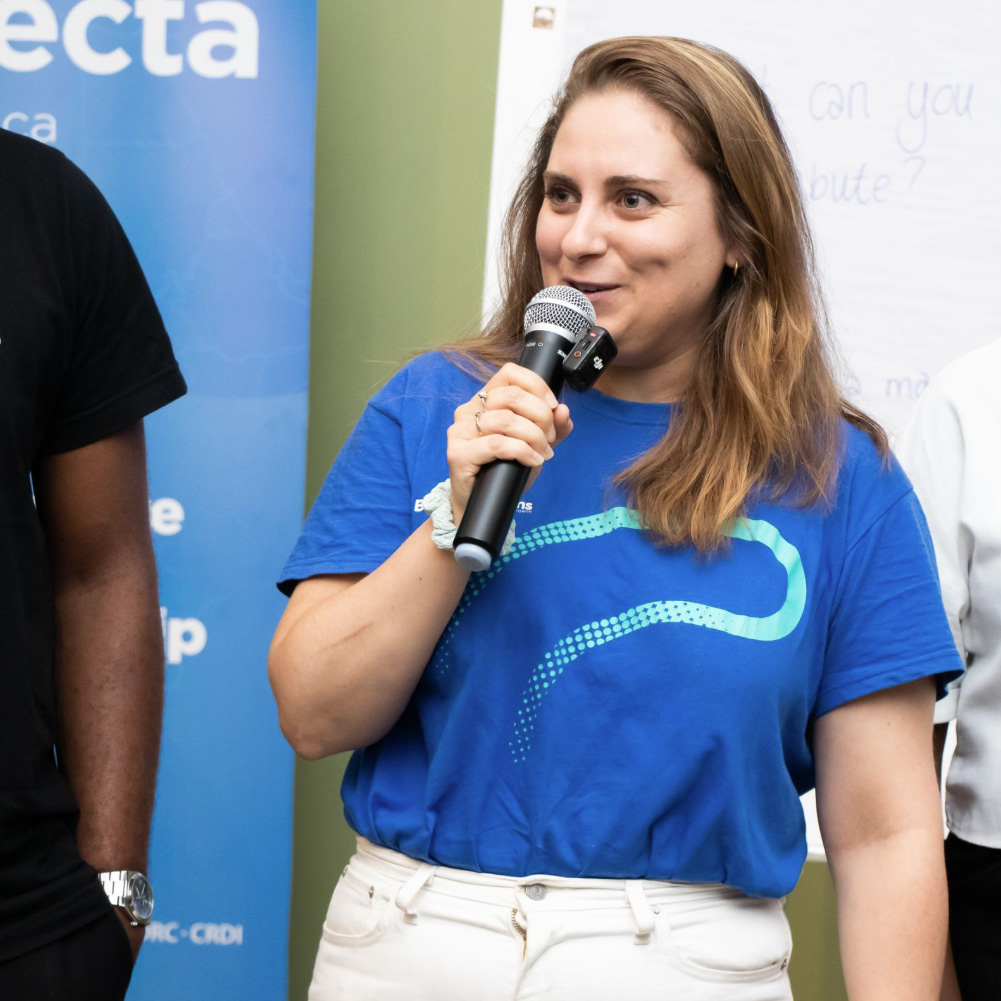
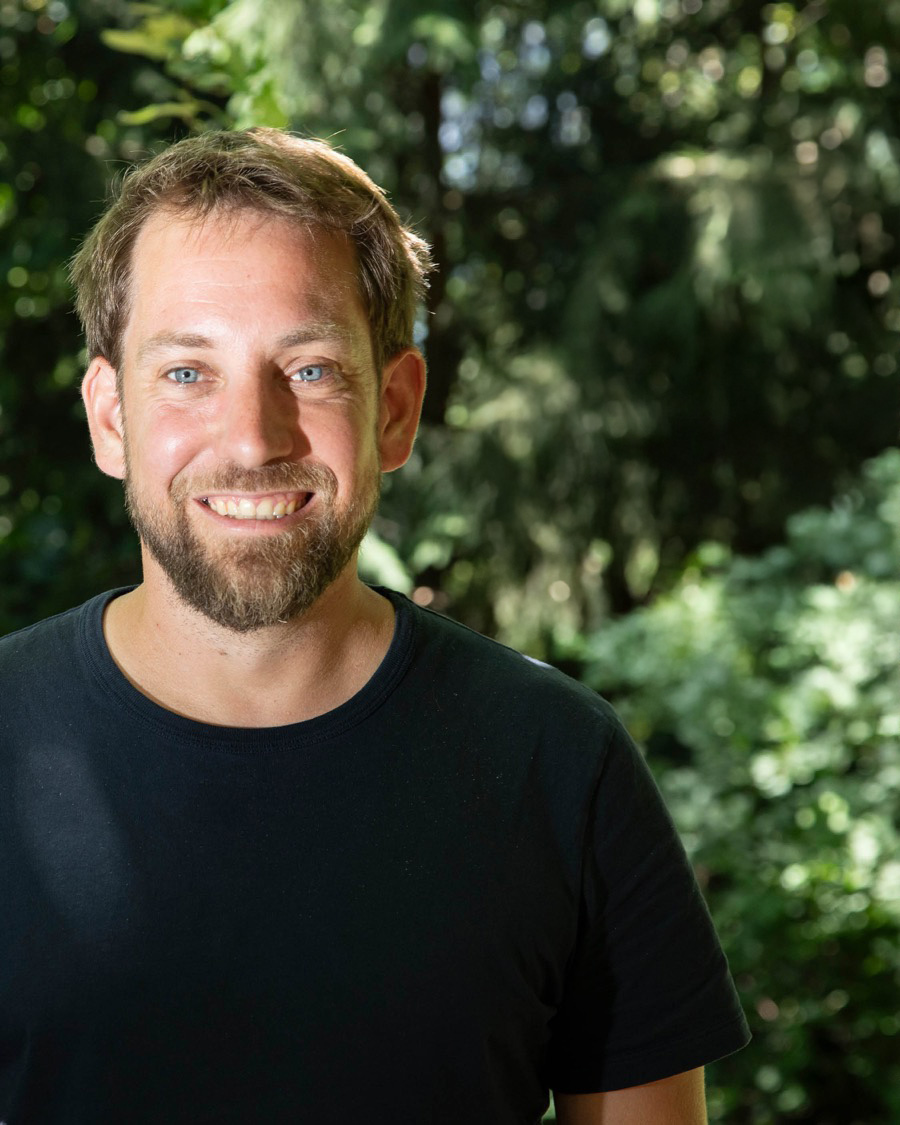
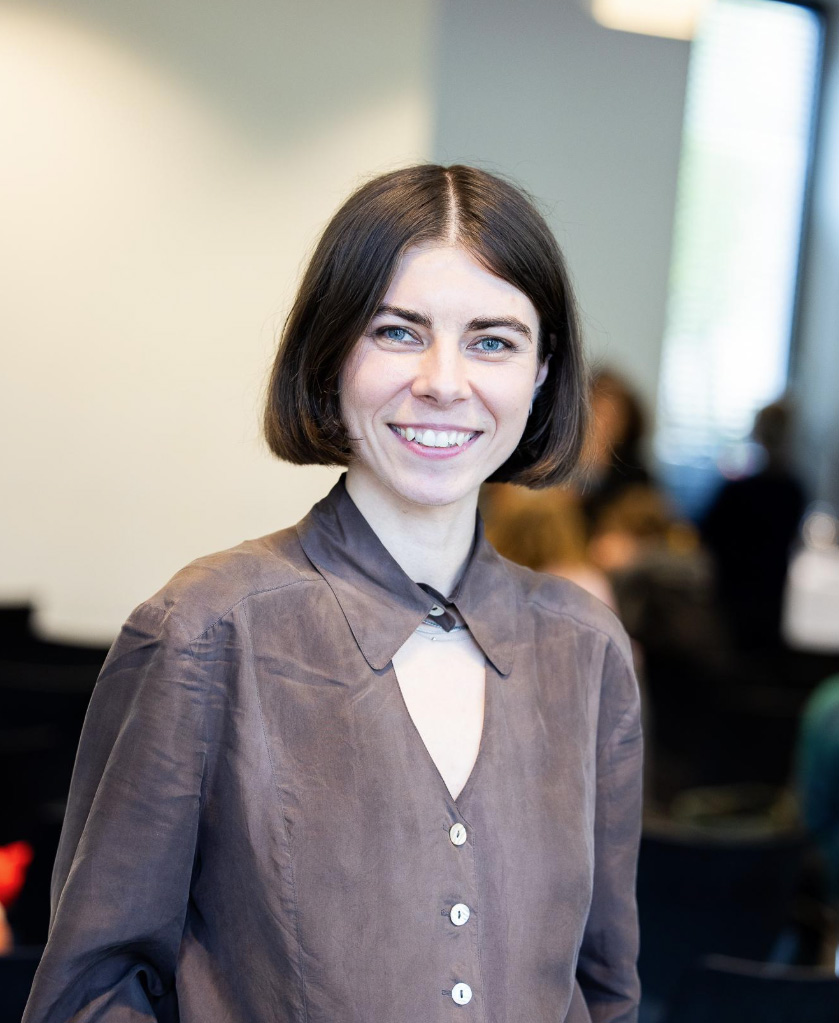
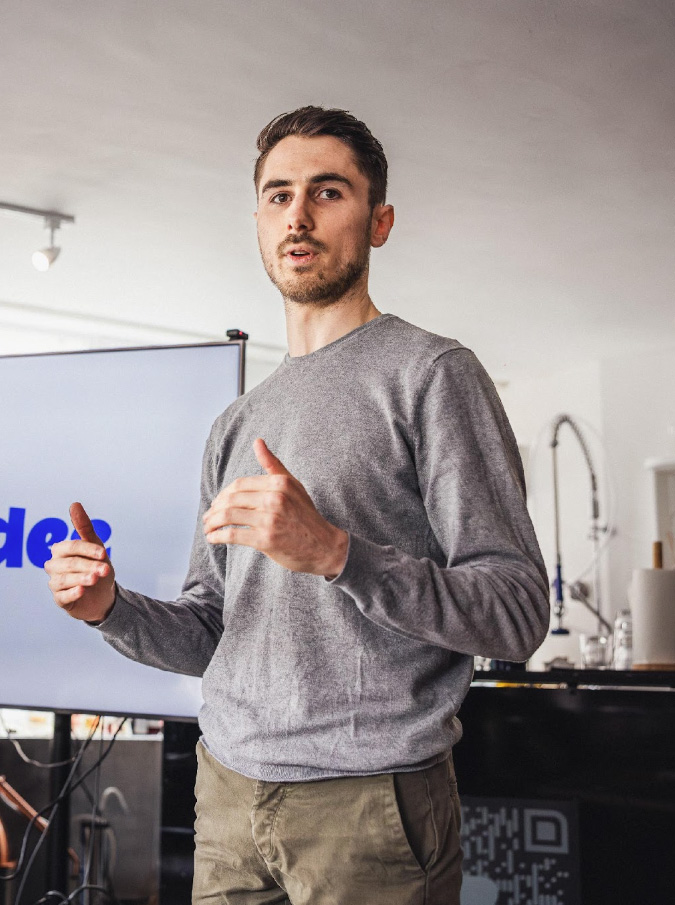
Vyld is a profit-for-purpose biotech company creating radically sustainable, ocean-friendly and healthy absorbent products from seaweed. Their first product, the Kelpon, is the world’s first tampon made from seaweed, leveraging its beneficial properties: its biodegradable and designed to be microbiome-friendly, highly absorbent, and gentle, while shifting supply chains away from land- and chemical-intensive materials like cotton and viscose. It operates as a steward-owned company to ensure that impact, not extraction, guides every decision.
Europe has made real progress on regulation and public awareness, from the Green Deal to stronger product safety and transparency frameworks.

Location
Romania
Initiative
The Energy Policy Group (EPG) is an independent, non-profit think tank focused on energy and climate policy in Romania and across the European Union. EPG is committed to an evidence-based and socially just transition to climate neutrality, producing research that balances decarbonisation, economic competitiveness, social fairness, and respect for planetary boundaries. Through its work, EPG seeks to advance public understanding of energy and climate solutions while supporting sustainable, long-term policy pathways aligned with the EU’s climate goals.
From my perspective, Europe is moving in the right direction on fairness, inclusion, and sustainability, but progress remains uneven.
Respondents Anticipate Heightened Risk Across Key Economic Scenarios
Across a range of contrasting scenarios, changemakers express predominantly cautious expectations for the European economy over the next 10 to 15 years. Concerns are particularly pronounced with regard to inflation stability, where 49.4% assess scenarios closer to hyperinflation as more likely, compared to 31.4% who expect stable and low inflation. Similarly, expectations around AI and employment lean pessimistic, with 53.2% anticipating job losses rather than job creation, while 34.6% hold a more optimistic view.
Expectations are most unevenly distributed when it comes to business ownership, where nearly two-thirds of respondents (62.2%) believe ownership will remain unequally distributed, compared to just 20.5% who consider a more broadly shared ownership model likely. This highlights persistent concerns about inequality and concentration of economic power in Europe’s future economy.
Expectations for Key European Economic Scenarios (next 10-15 years)
Rethinking Business Ownership
Location
Germany
Initiative
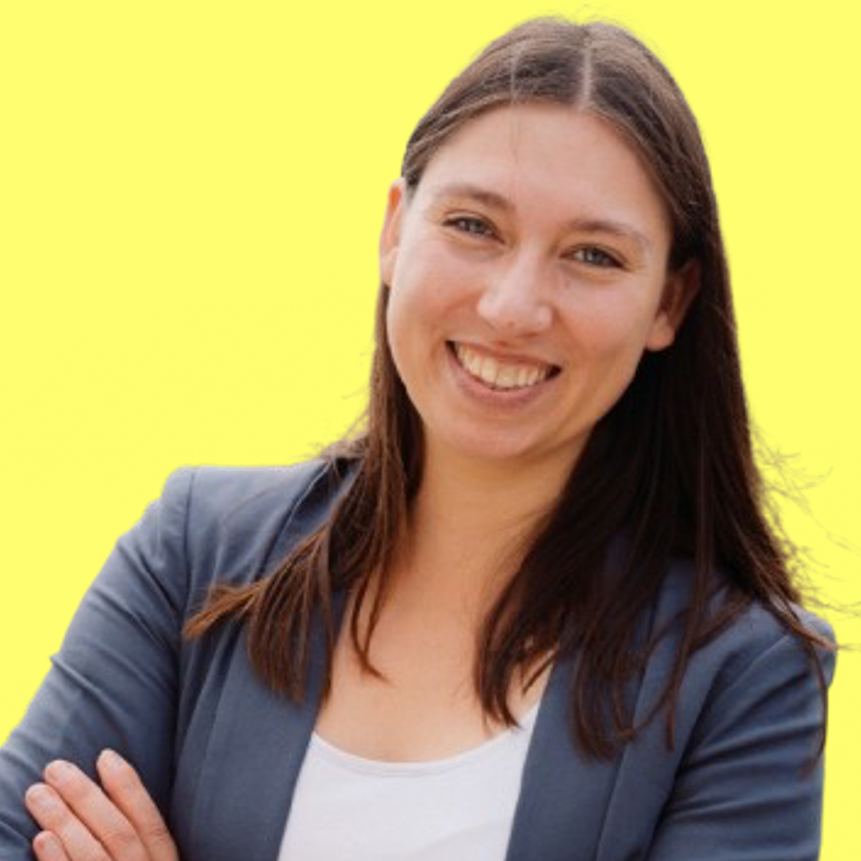
#GenoDigital is a network of around 1.000 founders, board or advisory board members of cooperatives and associated organisations or consultants. We strengthen cooperatives by political work, community building and access to free knowledge to build an economy placing the wellbeing of people at its centre.
The current economic system incentivises businesses to maximise shareholder value, often at the expense of other stakeholders such as society and the environment. Social and environmental costs remain hidden, leading to a situation where businesses externalize their risks but privatise their profits. As a result, wealth inequality deepens: those with most power and capital gain disproportionately, while the many shoulder the costs.
A Sharp Contrast: Optimism for Europe in 2040
Despite short-term pessimism, respondents hold an overwhelmingly positive long-term vision for Europe. These optimistic and hopeful visions reflect confidence that meaningful economic transformation is both necessary and achievable.
The Three Core Pillars of a Future European Economy
When asked to imagine the European Economy of 2040 and the areas where they envision the most positive developments, the most frequently cited positive outcome areas include sustainability (52.1%), alternative measures of economic success beyond GDP (46.6%), and strengthened solidarity and inclusion (41.8%). Together, these three pillars reflect a shift toward a more holistic understanding of economic progress.
However, many respondents addressed multiple topics simultaneously, indicating a belief that Europe’s future economy requires systemic change. Their visions emphasise the involvement of diverse stakeholders and coordinated action across policy, markets, institutions, and society.
Change Is Seen as Systemic, Not Incremental
Changemakers envision comprehensive transformation rather than isolated reforms.
Many respondents addressed multiple topics simultaneously, indicating a belief that Europe’s future economy requires systemic change. Their visions emphasise the involvement of diverse stakeholders and coordinated action across policy, markets, institutions, and society.
A Holistic Vision for a Future Economy in 2040
Through an in-depth analysis of hundreds of qualitative answers we were able to derive a clear vision for a Future Economy in Europe, and distill 8 key areas for development the respondents think are critical. The following section of the report highlights each of these areas, including actions to take, as well as insights from various entrepreneurs from across the continent.
Sustainability
Changemakers imagine a future European economy in which sustainability is the defining principle, with economic activity fully embedded within society and nature rather than operating apart from them. In this vision, the EU plays a pioneering global role in building a regenerative and inclusive economy, where fossil fuels are relegated to the past, renewable energy is ubiquitous, and sustainable mobility and infrastructure are accessible to all. Resources are shared more equitably across countries and between rural and urban areas, resilience strengthens Europe’s geopolitical position, and economic success is measured by the capacity of people and ecosystems to thrive together within planetary boundaries.
Actions to take:
Reduce material production in favor of sharing-based and service-oriented models
Mainstream green technologies across industries and public infrastructure
Influence other regions through role modeling and the demonstration of best practices
Strengthen sustainable policies, such as expanding car-free zones and low-emission areas
Improve travel and mobility by expanding affordable rail services and ensuring easy access to essential public services within close proximity
Different Measures of Economic Success
Changemakers envision a European economy that moves beyond GDP as the primary measure of success, adopting multidimensional indicators that prioritise planetary health, collective wellbeing, biodiversity, and social cohesion. In this future, businesses are understood as vehicles for meeting societal needs rather than profit-maximising entities, with access to ethical, low-interest financing and expectations that all organisations integrate social and environmental impact into their strategies. Economic activity is oriented toward the common good, with concepts such as Doughnut Economics and universal basic services embedded across Europe, profitability no longer the sole driver of decision-making, and wealth circulation replacing accumulation as the dominant economic norm.
Actions to take:
Move beyond GDP as the primary measure of economic success
Prioritise economic resilience and long-term value over profit maximisation
Integrate planetary boundaries as core indicators of economic performance
Implement Doughnut Economics as a guiding framework for policy and practice
Reduce the disproportionate influence of large corporations on economic outcomes
Solidarity & Inclusion
Changemakers envision a European economy rooted in solidarity and inclusion, where the ability to meet essential needs such as housing, healthcare, education, and nutrition is guaranteed regardless of income. In this future, economic activity prioritises social and ecological wellbeing over material accumulation, with greater emphasis on sharing, services, care, and locally rooted, responsible production. Inequality and historical injustice are actively addressed through fair distribution of power, wealth, and resources, meaningful participation of young people in economic decision-making, and equitable global partnerships that recognise the positive role of migration and repair past harms. Together, these elements describe an economy designed to enable dignity, participation, and collective flourishing for all.
Actions to take:
Ensure parental leave is equitably shared among caregivers and provides sufficient time for care
Strengthen the meaningful involvement of young people in decision-making processes
Recognise, value, and empower people from marginalised communities across economic and social systems
Guarantee universal basic income so that everyone’s essential needs are met
Cross-Border Collaboration
Changemakers envision a European economy built on deep cross-border collaboration, where countries, cities, businesses, and citizens work together within a digitally integrated and fair single market. In this future, efforts are coordinated across sectors and scales, with policymakers, industry, and civil society aligning around shared goals, transparent data, and mutual trust. Rather than competing for limited resources, actors collaborate through open digital networks, pooling knowledge, materials, and innovation to drive collective growth, sustainability, and social progress across Europe.
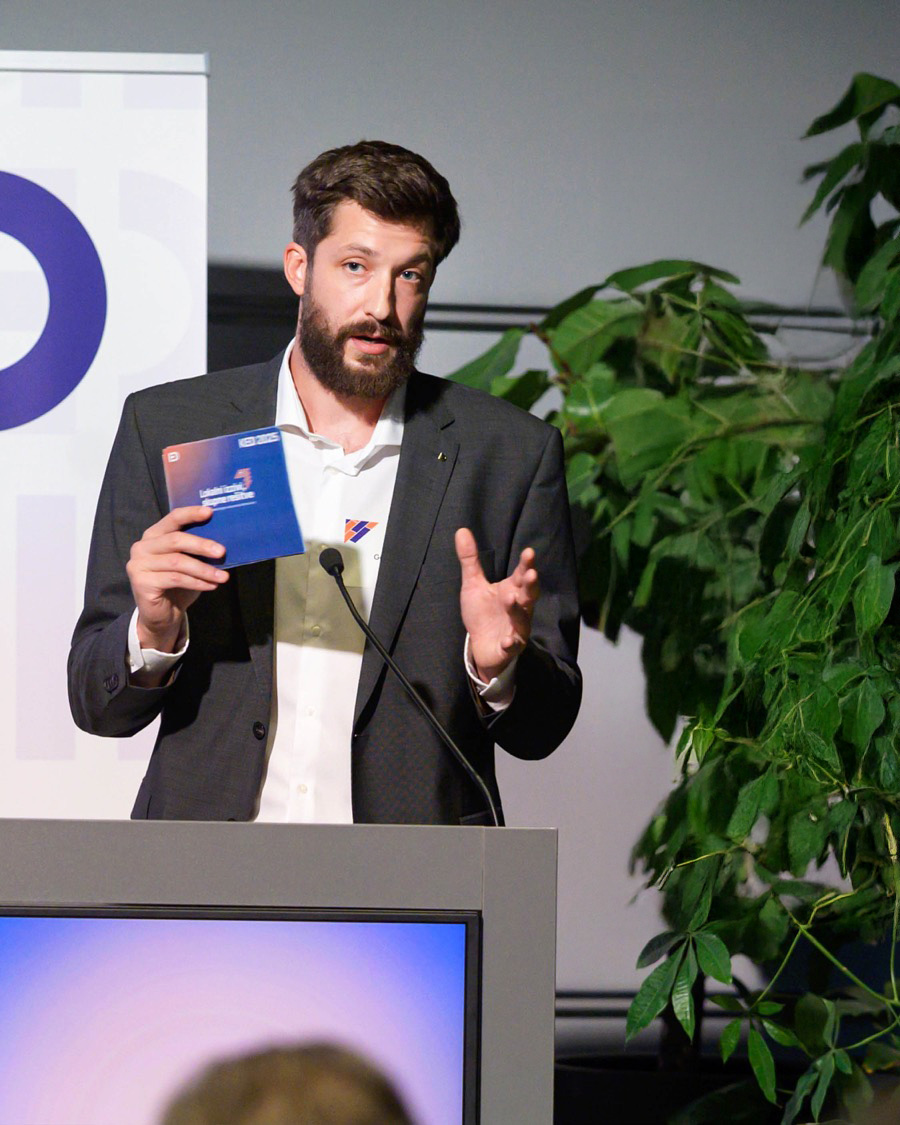
With clear policy direction, accessible capital, and harmonised legal frameworks, initiatives like ours could scale far more effectively, and Europe would be better positioned to anchor economic value in its communities while reducing inequality and strengthening democratic participation in the economy.
Actions to take:
Expand European cooperation by welcoming new member states and strengthening ties with neighboring countries, including the potential rejoining of the United Kingdom
Prioritise collective impact and shared growth over competition between smaller or less-resourced economies
Foster collaboration beyond Europe, particularly through equitable partnerships with countries in the Global South
Invest in digital platforms and transparent networks that enable cross-border collaboration, knowledge sharing, and trust
Financial Equality
Changemakers envision a European economy in which financial equality is strengthened by narrowing the gap between rich and poor and ensuring fair integration of disadvantaged groups into the labour market. In this future, access to investment, growth opportunities, and economic participation is more evenly distributed across countries and communities. Large concentrations of economic power are reduced through models such as worker-owned cooperatives and de-commodified business ownership, anchoring value creation to the people actively engaged in enterprises. Overall, progress is understood as a shared achievement, ensuring that economic transformation benefits everyone.
Actions to take:
Ensure small and medium-sized enterprises have fair and equal access to markets, finance, and opportunities
Strengthen regulation to curb excessive market concentration and reduce the disproportionate power of large corporations
Promote greater equality of opportunity across the economy, including measures that limit the intergenerational concentration of wealth
Artificial Intelligence
Respondents envision an economy in which artificial intelligence supports human wellbeing rather than replacing it. In this future, AI takes over routine and administrative tasks, freeing up time for care work, creativity, community engagement, and democratic participation. Decision-making is collaborative and informed by data-driven simulations, AI-supported forecasting, and citizen input, while resource efficiency is optimised through advanced recycling systems and AI-managed logistics that minimise waste. By redistributing productivity gains through mechanisms such as a universal basic dividend, AI enables a more balanced, creative, and socially resilient European economy.
Actions to take:
Reduce overall data consumption and energy intensity associated with digital and AI systems
Establish and enforce strong, Europe-wide AI regulations that address ethical, social, and environmental concerns as a standard
Invest in innovation within the health economy, using AI to improve care quality, access, and efficiency
Increase efficiency through AI-enabled systems such as logistics optimisation, waste reduction, and resource management
Eliminate highly repetitive and low-value labour by responsibly automating routine tasks
Ensure AI functions as a public good, with open, accessible systems rather than being controlled as proprietary products by a small number of companies
Innovation
Changemakers envision Europe as a global leader in innovation, drawing strength from its cultural and geographic diversity to develop the most advanced and sustainable business practices. In this future, Europe is a powerhouse of clean energy and technological innovation, where renewable energy systems such as hydrogen, solar, and wind are deeply integrated into urban and industrial landscapes, and thriving startup ecosystems drive continuous experimentation and growth. Innovation is supported by strategic, long-term EU policymaking that strengthens competitiveness in the development and production of complex goods, positioning Europe as a resilient and forward-looking economic powerhouse.
Actions to take:
Harness biotechnology, nanotechnology, artificial intelligence, and cryptocurrencies to drive social innovation
Incentivise and finance fast-growing, innovative startups that deliver social and environmental impact
Leverage spillover effects from public investment, including dual-use technologies emerging from military and security spending, for civilian and societal benefit
Circularity
Changemakers envision a European economy where circularity is the norm rather than the exception. Products are designed for full life-cycle responsibility, with repair, upgrading, and reuse mainstreamed across industries, fossil fuels phased out of production, and emissions kept low. In this future, the EU leads globally on circular economy principles, decarbonisation, and climate adaptation, with the Green Deal and the social economy fully embedded across all member states, and planet-positive business models forming the baseline for economic participation.
Hope comes from demand: people actively want to shop second-hand, support local businesses, and reduce waste. The behaviour is already there, it just needs better infrastructure. We don’t have to invent the circular economy, we just have to catalyse it.
Actions to take:
Drive systemic change away from today’s linear, consumer-driven economic model
Enforce transparent and traceable value chains across sectors
Design products for long-term use, repairability, and reuse
From Vision to Practice
While changemakers articulate ambitious and coherent visions for a future European economy, putting these ideas into practice remains challenging. Funding gaps and personal strain emerge as the most significant barriers, limiting the ability of initiatives to sustain momentum, invest in long-term innovation, or scale their impact. The lack of suitable funding opportunities, combined with financial instability and competing responsibilities, places considerable pressure on individuals and organisations working to drive systemic change.
In response, entrepreneurs are translating their visions into action primarily through changes in how their organisations operate internally. Rather than waiting for external conditions to shift, many focus on transforming decision-making, governance, and organisational culture as immediate and controllable levers for impact. Shared decision-making and governance has emerged as the most frequently implemented practice, signaling a deliberate effort to align daily operations with values of inclusion, fairness, and long-term sustainability
Barriers to Impact

Structural and Personal Capacity Constraints Are the Primary Barriers to Impact Work
When asked to identify the single greatest hurdle to their success, the most commonly reported difficulties were:
Lack of suitable funding opportunities for organisations (55.8%)
Juggling multiple responsibilities such as work, family, or studies (37.5%)
High risk of burnout due to accumulated responsibilities (31.7%)
Lack of personal financial stability (31.7%)
Respondents Prioritise Internal Organisational Change as a Pathway to Impact
Shared decision-making and governance (58.9%) emerged as the most frequently implemented organisational practice. It is often combined with initiatives focused on organisational culture and HR, sustainable supply chains, service delivery, and public or sectoral influence.
Changemakers appear to be reimagining organisations themselves as vehicles for impact, treating governance, ownership, and culture as foundational tools for systemic change rather than secondary operational concerns.
Rethinking Governance
Location
Global
Initiative
Nina Poxleitner is the co-founder and management partner of wirkt, an impact venture builder based in Vienna. wirkt creates and grows social enterprises that address pressing societal challenges in education, integration, and mental health.
In 2024, the organisation’s six ventures reached more than 1,600 people, demonstrating its growing impact across communities. Nina’s vision is to help make social entrepreneurship a natural and essential way societies solve problems, fostering systems that prioritise meaningful, equitable, and sustainable change.
wirkt. has a unique structure: our ventures act as semi-independent units, each focused on its own impact area, supported by a central team that provides coaching and operational backing. This allows our venture leads to spend most of their time with their target groups instead of managing administration.
Recommendations From Changemakers
Through the study, and an additional 10 deep qualitative interviews, changemakers from across Europe shared with us their key recommendations for what we can all do to advance a better future economy. Here are their top 8 suggestions
(Relevant for businesses and policy makers) Embed True-Cost Accounting Into Economic Decision-Making
(Relevant for businesses and policy makers) Enable Democratic and Alternative Ownership Models
(Relevant for policy makers and funders) Treat Entrepreneur Support Organisations as Public Infrastructure
(Relevant for policy makers and funders) Simplify and Democratise Access to Funding
(Relevant for funders) Move From Short-Term Grants to Multi-Year, Capacity-Building Funding
(Relevant for policy makers) Reduce Bureaucratic Barriers to Entrepreneurship
(Relevant for policy makers) Align Public Incentives With Social and Ecological Outcomes
(Relevant for policy makers)Support Digital and Platform-Based Alternatives
Europe Can Become What It Dares to Build
Despite acknowledging significant economic risks today, respondents imagine a thriving European economy rooted in sustainability, shared prosperity, and new measures of success. Their visions reflect a shared belief that transformation is possible when values, policy, and practice move together.
Now is the moment to move from ideas to opportunity.
The choices made today, by policymakers, funders, businesses, and civil society, will determine whether Europe’s long-term vision becomes reality or remains aspiration.
Join us in translating these visions into action by supporting changemakers to test solutions, scale impact, and strengthen the ecosystems that make transformation possible.
Help build Europe’s future economy for 2040 starting today.
Methodology and Sample
In late 2025, we surveyed 417 changemakers from 29 countries across Europe as part of the Future Economy Study 2026. Following data-cleaning procedures, 156 valid cases were retained for analysis. The survey was conducted between February 13 and March 26, 2025, and disseminated through 21 global Possibilists Alliance members, more than 50 regional and local Network Partners, and other aligned changemaker communities.
The study focused on two key areas: a utopian vision for the European economy and impactful organisational practices.
Demographic Details
156
29
Professional Identities
The sample is primarily composed of nonprofit employees (22.2%) and students (19.4%), followed by freelancers/consultants and career shifters (each 11.1%), reflecting a strong presence of mission-driven and transitional professional paths. Smaller shares of respondents work in the public sector, academia, corporate roles, or entrepreneurial and creative fields, indicating a diverse but impact-oriented professional profile overall.
Stages of Initiatives
Nearly half of the initiatives (46.7%) were launched within the past three years. The initiatives surveyed employ a total of 955 individuals, with a mean of 8.1 employees per organisation.
Stage of initiative development
The majority of initiatives are already active, with 30.0% in the start-up phase, 27.5% running regular operations, and 26.7% in a scaling phase.
Only a small share remain at early ideation or later-stage consolidation/closure, indicating a sample that is largely focused on implementation and growth rather than exploration.
The Objective of this study
This new study aims to provide a nuanced view of how Europe-based young changemakers envision and contribute to a sustainable and inclusive economic future. It will also serve as the basis for bringing together key ecosystem stakeholders across Europe, and serve as a data-driven impulse to inspire the group towards collective action.
The Key Elements



The Future Economy Council
The Future Economy Council is a group of leaders from across Europe. They provide feedback, input and guidance to the partners of this project. Through their invaluable contribution, we ensure that our work, surveys and activities are rooted in the lived experience of changemakers. The Council Members will be announced publicly in late August.



The partners
The Future Economy is a collective effort of various stakeholders, including: